

Guest blog post written by JP Binard, owner and manager of Precast Systems Engineering, LLC
At the Capital Grille restaurant, there is a side dish on the menu called Lobster Mac ‘N’ Cheese. For $20, you can get an order to your table delivered in a small cast-iron skillet. It is made with a variety of cheeses: one soft, one hard and robust, one flavorful like Havarti, and a sharp one like a cheddar. A special open-ended pasta is used to absorb the sauce better—and unlike other pastas, it isn’t rinsed or chilled beforehand. Add heavy cream, North Atlantic Lobster, and the fourth cheese (not to the sauce but after the items are combined) and the result is a dish with a unique complexity.
This proprietary recipe is more or less shared online—but could you simply mimic a dish like this at home in a repeatable manner? It requires considerable planning to obtain a variety of ingredients from a typical grocery store, and I haven’t made it to the seafood place yet.
The less-elaborate versions of macaroni and cheese without the lobster are available in a box and proprietary by means of trademarking or a trade secret ingredient. “Proprietary” means the mix is owned, and the owner has added value because they have developed and tested a product to assure that even a novice will get the same results each and every time.
These are easy to use and highly repeatable versions of a classic that anyone can make if they read the instructions. No special training is required, as all the steps have been designed for consistency. If you were to go camping with your family, even a serious lover of food is still likely to throw one of these pre-packaged boxes in the bag for the kids in lieu of carting around all of the specialty ingredients.
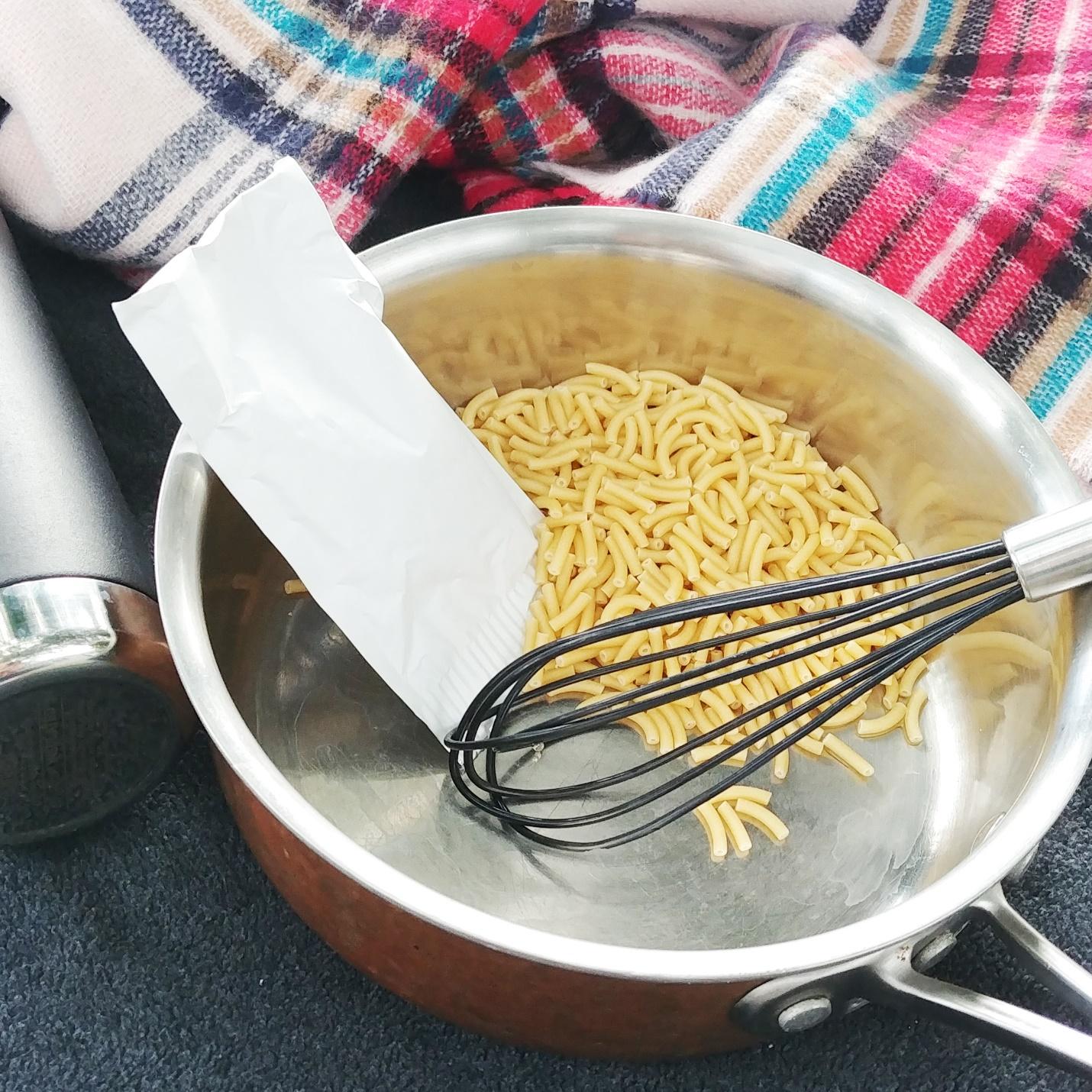
In many ways UHPC is like macaroni and cheese—perhaps a Lobster Mac ‘N’ Cheese. Construction, in all forms, is all too often like camping with minimal resources in open air castings and with challenging environmental swings.
For UHPC to be cast effectively and consistently, the mix must be advanced and straightforward.
When done right, the proprietary constituents come pre-packaged, with the components measured precisely and the quality of each component monitored for repeatability. The value added is in the management of the raw materials: receipt, processing, packing, shipment, mixing technology, and onsite technical assistance. This can scale to reduce the cost of each management aspect, but they must exist in order to maintain quality and repetition, regardless of whether a UHPC is proprietary or non-proprietary.
In construction, a good example of a proprietary product we use all the time is an epoxy, in critical connections or repairs. Similarly, UHPC may also have an A, B, and perhaps a C, D, and E part that have to be mixed by instructions. The components (A through E) are precise, and the quality of each component monitored for repeatability. If the recipe is followed, the same result occurs, just like it does with epoxy.
When implementing UHPC on a project, ask yourself if the casting environment will be like camping in the wilderness—or, will it be performed in a commercial kitchen, with all of the resources and expertise to execute the task.
Either way, the word “proprietary” isn’t the problem; especially when it meets the end goal of a consistent result.


